Successful Soybean Farming in Nigeria
June 20, 2026, 12:23 pm
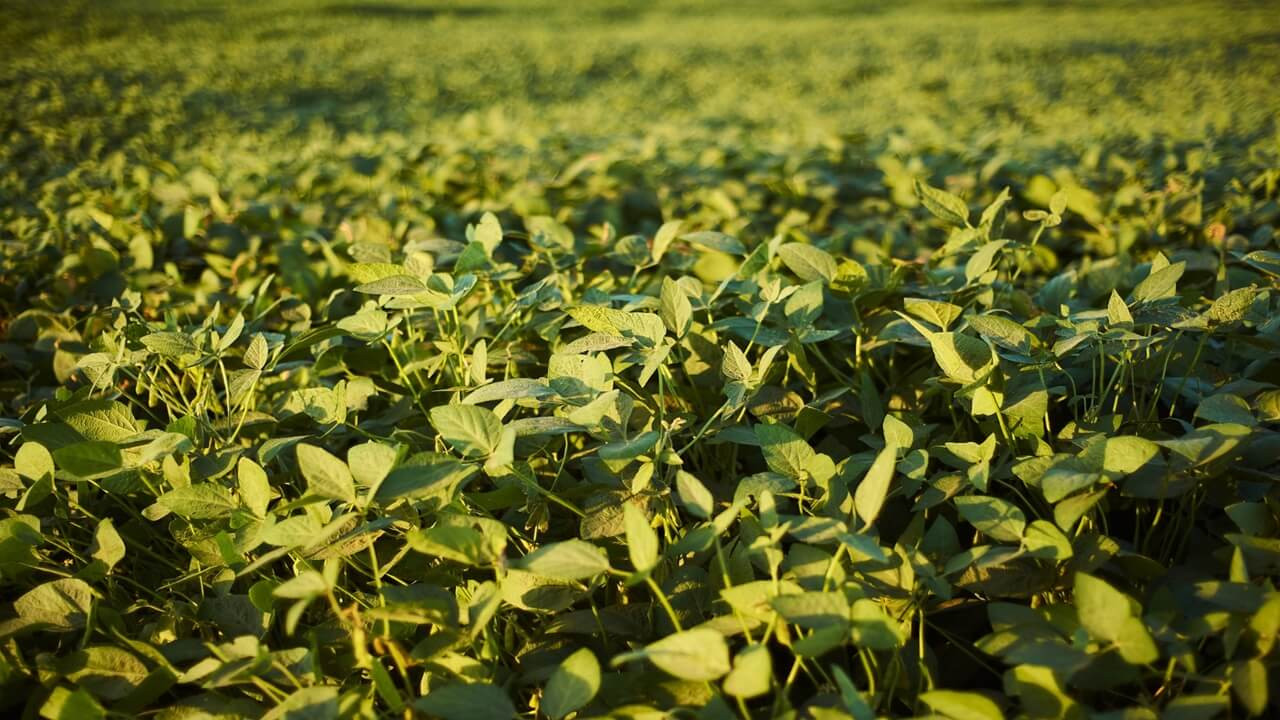
Soybean (Glycinemax (L)), ‘the miracle seed’, is the world’s most important oil seed legume with respect to total production and international trade.
Soybean is a versatile crop from which products like soybean oil, soybean milk, soybean “fufu”, soybean “dadawa”, livestock feed, soy sauce and baby foods such as Golden Morn, Babina, Nutrend and Cerelac are derived.
The production figures for soybean in Nigeria have been on steady increase since 1985 when over 114,000 metric tons were produced, mainly due to the realization of the potential of the crop as a source of protein to blend with carbohydrate sources, as a good substitute raw material for vegetable oil, and as concentrate supplement for poultry and other livestock feeds.
Economic Advantages of Soybean
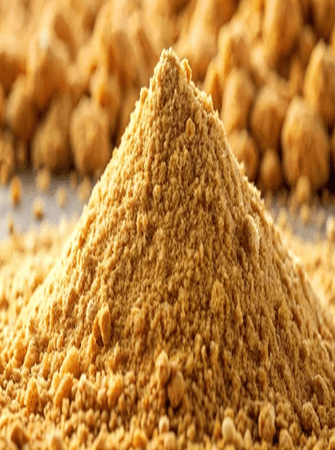
Soybean is a high value and profitable crop. The economic viability of soy production is determined by the commercial utilization of both its sub-products, meal and oil, which, respectively, account for about two thirds and one third of the crop’s economic value.
Soy oil and meal are consumed worldwide as food and animal feedstuff respectively. Soy meal accounts for over 60% of world output of vegetable and animal meals and occupies a prominent position among protein feedstuffs used in the production of feed concentrates, while soybean oil is the single most important vegetable oil, accounting for 20% of global vegetable oil production.
Its dominance over other vegetable oils has diminished somewhat following the advent of palm oil, which now accounts for at least 18% of total production.

The widespread use of soybean oil in particular as edible oil is mainly due to
(i) its plentiful and dependable supplies
(ii) its competitive price
(iii) its neutral flavour and its stability in both unhydrogenated and partially hydrogenated form.
Indirectly, the rapid rise in the demand for compound feed has contributed considerably to the rise in soybean and soy oil production.
Opportunities for Soybean Farming in Nigeria
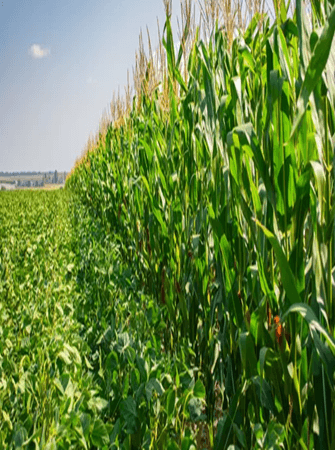
Soybean is a crop well-suited for Nigeria as it is more weather, disease and pest tolerant. It requires a far lower use of fertilizer and in fact, provides a huge benefit due to its nitrogen-fixing properties. This makes soybeans an excellent rotational crop with maize, sorghum or cotton in Nigeria, as the availability and cost of chemical fertilizer is a major constraint.
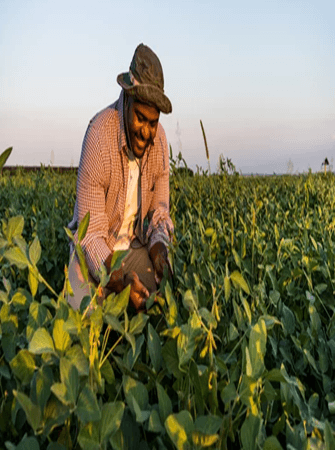
Like most other crops in Nigeria, soybean is a smallholder crop with the average farm holding being 1.5 hectares. The limited investments in farm inputs and lower farmer know-how results in poor productivity—currently less than 1MT/hectare in Nigeria versus 2.5 to 3MT/hectare in Argentina and Brazil and 4.5 to 5MT/hectare in the USA. There is a significant opportunity to close this yield gap but these won’t be achieved by using smallholder farming practices.
Also, Brazil and USA are the two top exporters of soybeans to the international market. Unpredictable relationship between China and USA makes soybean exports susceptible to disruptions while the strengthening of Brazil’s currency gives international soybeans buyers reason to consider purchasing soybeans from other suppliers
Problems of Soybean Farming in Nigeria
According to surveys done on soybean farming in Nigeria, the major constraints to soybean farming include: inadequate capital, poor extension services, high cost of inputs, inadequate storage/marketing facilities and high cost of transportation. Inadequate capital was the most commonly experienced constraint.
The implication of this result is that, acquisition of farm inputs such as improved seeds, fertilizer, agro-chemicals and farm expansion may be difficult for farmers, thereby endangering food security prospects for the nation with respect to soybean crop.
Soil infertility and inadequate/poor extension services ranked second in the list of constraints. Most of the farm lands are low in soil fertility and as such soybean does not grow well in such soils resulting in low yields without addition of fertilizer.
Furthermore, erratic rainfall as a problem was reported by soybean farmers. The likely consequence of this problem is low germination and subsequent low yields which hamper the attainment and sustenance of food security. Inadequate/poor extension services make it difficult for transmission of new technologies and techniques of production to farmers.
Poor extension services lead to slower pace of achievement of goals due to low technology uptake. Poor extension services was found to manifest in farmer’s low/inadequate modern knowledge (21.9%) and their farm practices being incompatible with modern technology (21.7%). The implication of this result is that farmers cannot maximize profits since their technical and allocative efficiency have not yet been achieved, which endangers sustainable food security of the nation. High cost of inputs, especially labour and fertilizer, ranked third (24.5%).
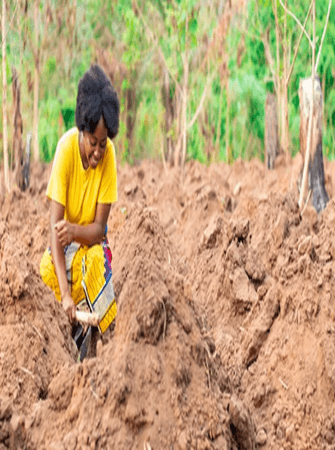
The respondents indication of lack of modern equipment (19.2%) means that most of soybean farming activities are manually carried out, which requires a lot of labour and the high cost of labour increases total variable cost, which in turn reduces profit.
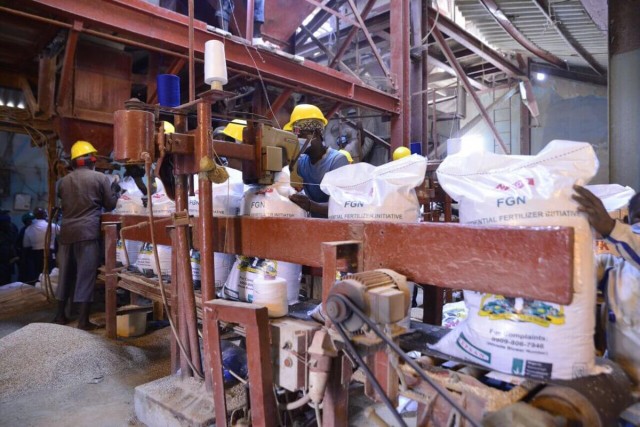
The high cost of fertilizer makes the input unaffordable for farmers which results in low use of fertilizers and leads to low yields due to depleted fertility of the soil. Also fertilizer purchase increases cost of production thereby increasing total variable cost and reducing profit in the production of soybean Inadequate marketing and storage facilities were reported by 22.5% of respondents.
According to them, soybean like most legumes, is prone to weevil attack when harvested, and this problem is complicated by inadequate storage facilities. Consequently, farmers are forced to sell at the same time (harvest period) leading to low prices (17.9%), which result in low revenues and low profit. This situation is further worsened by lack of market [glut] (19.6%) and poor market access roads (17.1%).
Sucessful Soybean Farming In Nigeria
Conditions Necessary for Successful Soybean Production
Soil conditions and climate both affect soybean development. Soybean thrives in Nigeria's southern Guinea (Oyo, Ondo, Osun, Kwara, Kogi, Benue, and Cross River) and northern Guinea savannas (Kaduna, parts of the Federal Capital Territory (Abuja), Bauchi, Niger, Kwara, Taraba, Kogi, and Adamawa) , where the annual rainfall exceeds 700 mm. Short-duration varieties, on the other hand, can thrive in the much drier Sudan savanna (Sokoto, Zamfara, Katsina, Kano, Jigawa, Yobe, Borno) if sown early and the rainfall is evenly distributed throughout the growing season.

The length of the day and the temperature determine when to plant soybeans. Because soybeans are short-day plants, they flower when the days get shorter. It may be grown in a variety of soil types with pH values between 4.5 and 8.5. To prevent drought stress, soybeans should not be planted in shallow, sandy, or gravelly soils. Poor seedling emergence results from growing it in waterlogged soils or soils with crusty surfaces.
Soybean Farming Land Preparation
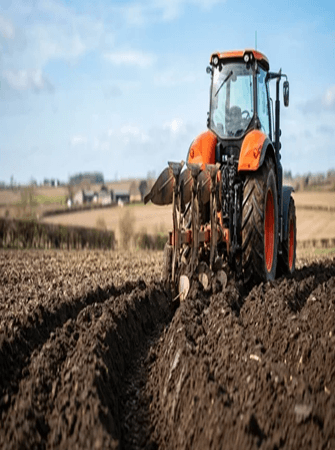
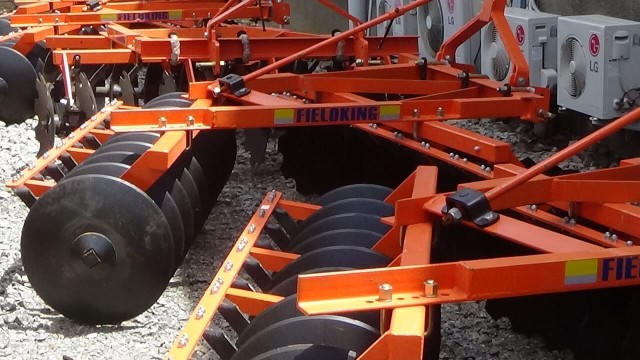
Before beginning to prepare the land, remove every vegetation. A hoe, an animal-drawn tool, or a tractor can be used to physically prepare the seedbed. Good germination and lower levels of weed infestation are guaranteed by well-prepared land. Both flat seedbeds and ridges can be used for planting.
Choice of Soybean Variety
The table below shows a selection of soybean types grown in Nigeria
| Variety | Ecology | Characteristics |
| TGX 1448-2E | Southern and Northern Guinea savanna | Late maturing, high yield, low shattering, high oil content and excellent grain color. Good for Striga control |
| TGX 1951-3F | Southern and Northern Guinea savanna | Medium maturing, high yield, low shattering, high oil content and excellent grain color. Tolerant to rust, Cercospora leaf spot, bacterial pustule and poor soil (2.5t/ha) |
| TGX 1904-6F | Southern and Northern Guinea savanna | Medium maturing, high yield, low shattering, high oil content and excellent grain color. High fodder yield and resistant to lodging, Cercospora leaf spot, bacterial pustule and poor soil (1.5t – 2t/ha) |
| TGX 1987-62F | Sudan savanna | Early maturing, average yield, medium shattering, good oil content and fair grain color. Highly resistant to rust, Cercospora leaf spot and bacterial pustule (2.1t/ha) |
| TGX 1987-10F | Sudan savanna | Early maturing, average yield, medium shattering, good oil content and fair grain color. Highly resistant to rust, Cercospora leaf spot and bacterial pustule (1.5t – 2t/ha) |
| TGX 1835-10E | Sudan savanna | Early maturing, average yield, low shattering, good oil content and fair grain color. Highly resistant to rust, Cercospora leaf spot and bacterial pustule (1.5t – 2t/ha) |
Select a type that is appropriate for your agroecological zone. The duration to maturity, yield potential, susceptibility to stem lodging, drought tolerance, and resistance to pests and diseases should all be taken into consideration while choosing a variety.
When selecting a variety that is appropriate for your region, maturation time should be your top priority. In regions with little rainfall, take into consideration early-maturing varieties as opposed to late-maturing ones. Growing late-maturing varieties in drier locations is problematic due to late-season dryness, despite their higher yield potential.
Soybean Seed Cleaning and Preparation
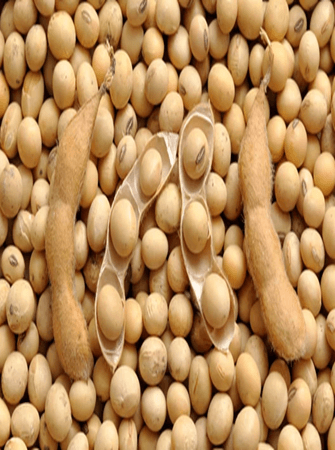
The viability of soybean seeds is easily lost. Even when properly stored, they frequently do not germinate after 12-15 months. To guarantee optimum germination, utilize seeds that are no older than a year. Throw away bad seeds and choose healthy seeds to plant that are free of diseases and insect infestation.
Avoid buying seeds from the open market because there is no guarantee that they will germinate. Planting subpar seeds won't result in a high yield. Always purchase seeds from reputable seed suppliers or local seed growers.
Date of Soybean Planting
When moisture is available, soybeans grow well throughout an extensive range of planting dates. A lengthy dry spell after planting could cause the crop to permanently wilt and require replacement, therefore avoid planting too early (before the onset of rain). However, if the rains stop early, late planting could leave the crop vulnerable to attack by certain late-season pests and deprive it of enough moisture. Planting soybeans should begin as soon as the rains become regular.
Use the date guide below for your soybean planting:
| Ecological Zone | Suggested Time of Planting |
| Moist savanna/Southern Guinea savanna | Early June—early July |
| Northern Guinea—Sudan savanna | Mid-June—early July |
| Sudan savanna | Weeks 1-2 in July |
Soybean Seed Rate
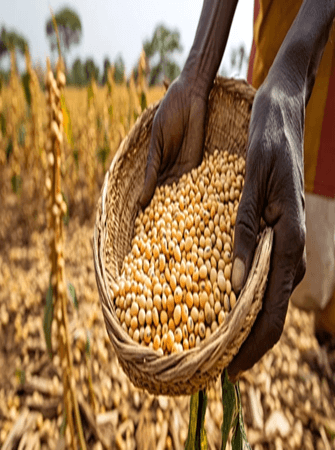
For most soybean types, 50kg –70kg are needed to achieve a population of 444,444 plants/ha. Because soybean seed sizes differ between varieties, planting must take into account the number of seeds required per unit area. Seed sizes between 12.6g and 18.9g/100 seeds are commonly observed
Soybean Seed Dressing
Treat seeds with fungicides, such as Apron Plus, or Thiram, before planting, at the rate of 1 sachet/8kg of seeds for protection against soil-borne fungal diseases.
Soybean Plant Spacing and Sowing
Plant soybeans with a drill, a planter, or your hands. Plant 3 to 4 seeds per hole, with a distance of 10cm between stands and 75cm between rows. As an alternative, drill seeds 5cm within rows and 50cm –75 cm between rows.
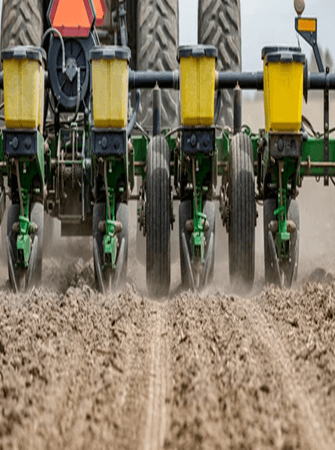
Because early-maturing varieties react better to tight spacing than late-maturing varieties, a spacing of 50cm between rows and 5cm –10cm between rows is advised. Don't plant seeds deeper than 2cm to 5cm. Deeper planting could cause seedlings to lose their vigor or fail to sprout.
Soybean Fertilizer Application
A good soil test is necessary to make an appropriate fertilizer recommendation for soybean production. Soybean, as a legume, should be able to generate nitrogen for itself through biological nitrogen fixation. The soybean plant needs soil nitrogen to grow until nodulation takes place.
Apply the highest quality phosphorous fertilizer for a healthy yield because phosphorus is frequently the most lacking nutrient. In addition to 2½ × 50 kg bags of compound fertilizer NPK 15:15:15, apply phosphorus at a rate of 30 kg P/ha using SUPA (single super phosphate fertilizer) at a rate of 3 × 50 kg bags.
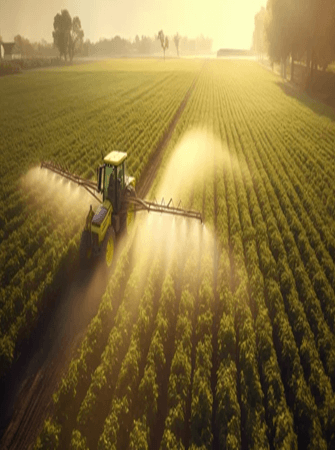
Fertilizers containing potassium and nitrogen are only required when there are glaring deficiencies. While harrowing and leveling the field, incorporate the fertilizer into the soil.
Soybean Soil Fertility Enhancement
For the next crop, like maize, soybeans fixes nitrogen in the soil and increase soil fertility. By encouraging the suicidal germination of the Striga seed reservoir in the soil, it acts as a catch-crop when sown in rotation with maize to control the parasitic weed Striga hermonthica.
Soybean Weeds and Their Control
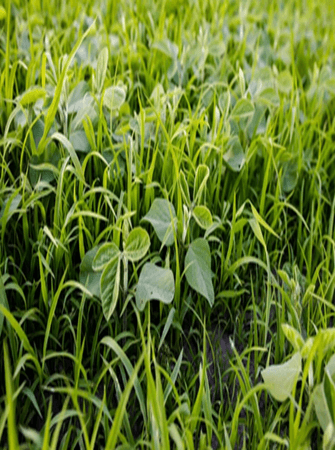
In the early phases of soybean growth, most annual and perennial weeds might hinder growth. Their impacts can be reduced with a well-timed weed control program. Soybean weeds can be controlled manually, chemically, or by combining the two.
Manual management of weeds
Two weeks after planting, do the first weeding, and five to six weeks later, do the second. Refrain from pulling weeds right away after a rainfall as this could result in the weeds being transplanted. Soybean yields could be significantly reduced by inadequate or delayed weeding.
Chemical weed control
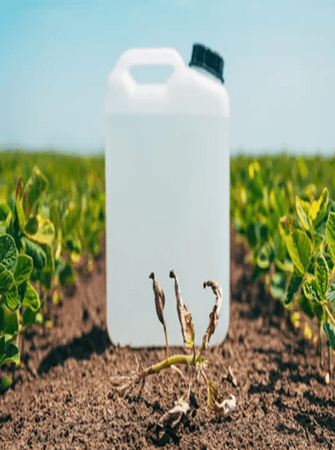
When used correctly, herbicides are a safe and efficient way to manage weeds in soybeans. However, the decision is based on the most common weed species and the herbicide's availability. Herbicides can be used to manage weeds either before or after they emerge. Five to six weeks after planting, one weeding may be necessary if the herbicide was used at planting.
Soybean Insect Pests and Their Control
Soybean fields are home to a variety of insects, but only a small number of them are economically significant, and the species that cause harm are typically not prevalent enough to require management measures. The crop is highly vulnerable to assaults by silverleaf whiteflies during the vegetative stage, yet it is highly tolerant of caterpillars. Soybeans attract podsucking insects from the flowering stage onward, which can significantly affect seed quality.
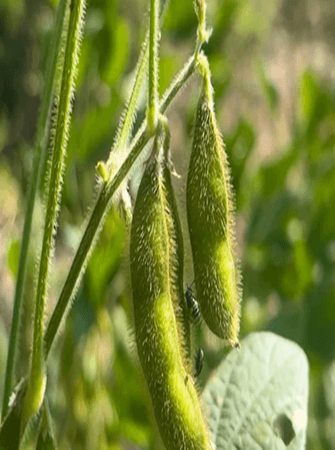
One application of Cypermethrin + Dimethoate 10 EC at a rate of 100 mL in 15 L of water is sufficient to suppress insect pests.
Soybean Harvesting
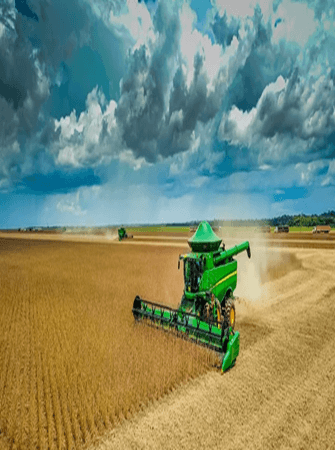
After planting, soybeans mature in three to four months, and timely harvesting is necessary to prevent excessive output losses. When fully grown, the pod has a straw color. It is advised to harvest soybeans after around 85% of the pods have turned brown for non-shattering varieties and 80% for shattering varieties.
As an alternative, the crop can be harvested when the moisture content of the seeds is between 14% and 16% and the seeds are at the hard-dough stage.
Although newer varieties are more resistant to shattering, crop losses may occur due to other factors if harvesting is delayed. A cutlass, a hoe, or sickles can be used for harvesting. Mature plants should be chopped at ground level. Before threshing, stack them loosely on tarpaulins and let them air dry for two weeks. Harvesting by hand should be avoided as this could deprive the soil of nutrients that the crop has added.
If you need soybeans in large quantities or you need help in starting your soybean farm, you can send an email to agsolutions@agricdemy.com or call/chat with us +2348089864121 for all your soybean farming planning and soyabean purchase enquires
Sources and References
Oil Crops, Oils and Meal FAO Outlook
Guide to Soybean Production in Northern Nigeria by L.O. Omoigui, A.Y. Kamara et al
Profitability of Soyabean Production by Small Holder Farmers in Nigeria: A Guide for Sustainable Food Security by Celine K. Biamand and Peter T. Tsue



Share This Article: