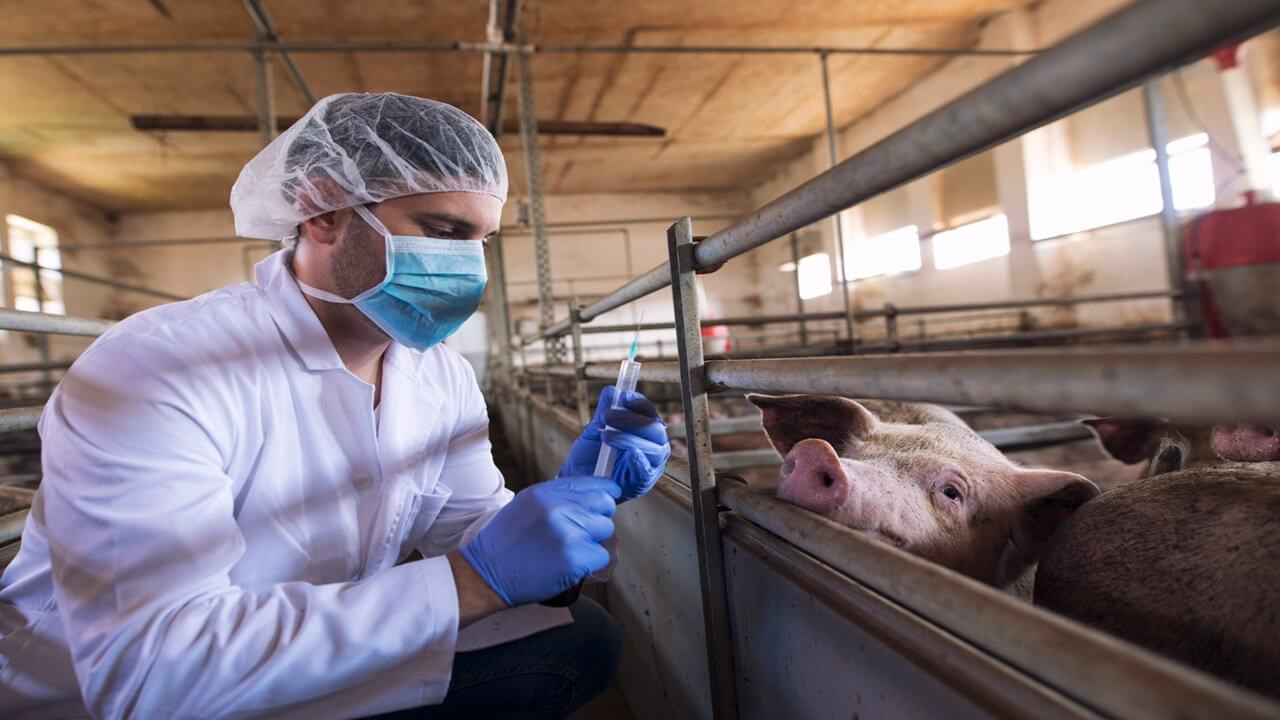
Deworming and Delousing Farm Animals
July 15, 2026, 11:03 am
Deworming is the application of drugs to a farm animal in order to rid it of worms which are endoparasites to the animal.
Worms that trouble farm animals are roundworms, ringworms, hookworms and tapeworms, liverfluke, schistosomes.
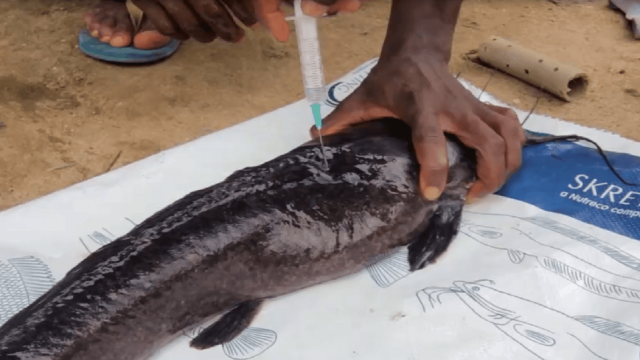
The deworming drug administration can be oral, injectable or “pour on.” It is advised that a combination of deworming methods is used. Combining oral and injectable are more effective than a single method. The route for administration of injectables could be through the vein, intra-muscular and subcutaneous.
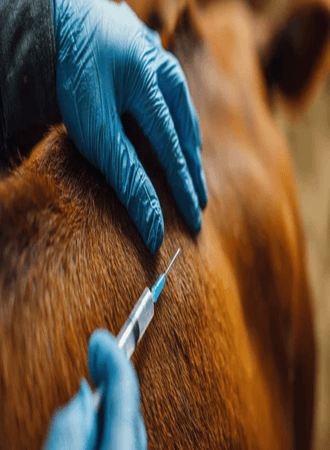
Deworming Farm Animals
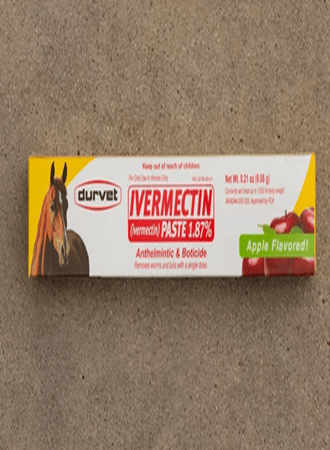
Antihelmintics or antihelmintic drugs come in different formulation including tablets, powder, liquid, gel or paste. A drenching gun can be used to squirt antihelmintics into the animal’s oesophagus. If such gun is not available, syringe can be used.
Ethnoveterinary is the use of local materials in treating animal ailments. In most cases, the materials are not subjected to empirical (scientific) test. There are claims that the following materials can be used as dewormers:
- Pawpaw seeds are dried, ground and applied in feed or water
- Tobacco leaves are used to scrub the animal and this application works against mites, ringworms etc
- Moringa oleifera leaves, bark, seed are dried, ground and appropriately applied
- Pineapple juice can be used for drenching
- Pure honey mixed with water and vinegar can be used as a broad spectrum for farm animals
- Extracts from leaf, bark and seeds of neem tree (dongoyaro) are drenched into the animals as antibiotics and dewormer
Importance of Deworming Farm Animals
Some of the critical benefits of deworming farm animals are:
- Worms suck the animal’s blood and can cause serious anaemia
- Nutrients in food are taken up by the worms and cause unthriftiness in farm animals
- Cost of controlling worms is high
- Worms impair development and productivity of farm animals
- Worms cause serious economic loss
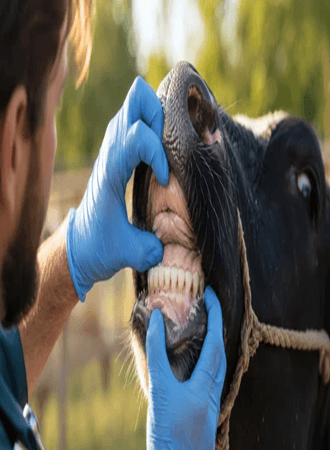
Delousing Farm Animals
Delousing is the removal of lice from the host animal by physical, biological and chemical means. Louse (plural: lice) is a specie of wingless insects. Lice feed on skin, sebaceous secretions on the skin and blood. If lice are separated from their hosts, they will not survive for long
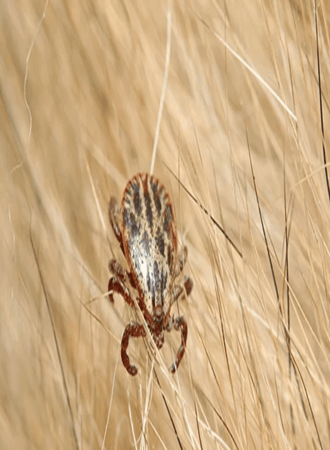
Lice are borne as so-called mini-adults called nymphs which would moult three or four times before reaching the adult stage. The cycle takes about one month.
Effects of Lice Infestation on Farm Animals
- Lice cause discomfort or irritation to farm animals. Broody hens for example may abandon their eggs during incubation
- Lice cause blood loss leading to anaemia
- Lice transmit disease to the host
- Lice may cause feather loss in poultry, thereby exposing the host to inclement weather
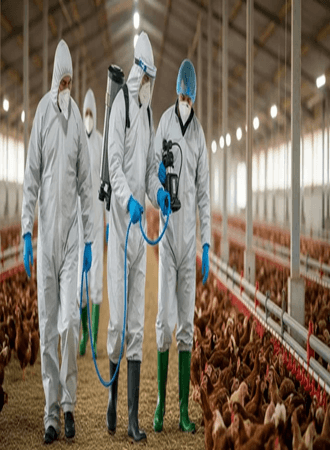
Methods of Delousing Farm Animals
- Use of liquid sprays of chemicals on the animals
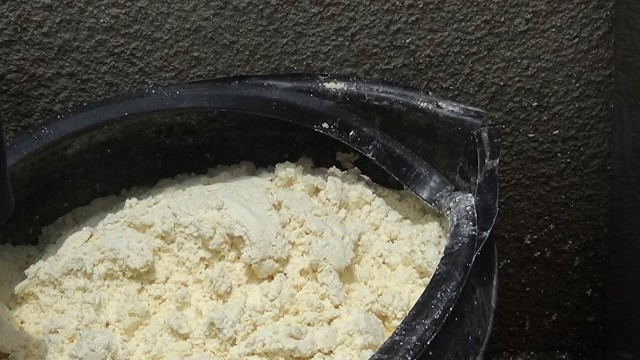
- Use of powder applied by dusting
- Use of chemical in dips
- Ethnoveterinary uses tobacco leaves to scrub the body of the animal
Farm Animal Vaccination
Vaccination is the process of giving inoculums to a farm animal in order to fight or prevent disease in the body. Vaccines are substances which contain harmless forms of a disease causing agent (bacterium or virus) and are given to a farm animal to prevent it from the disease which the bacterium or virus causes.
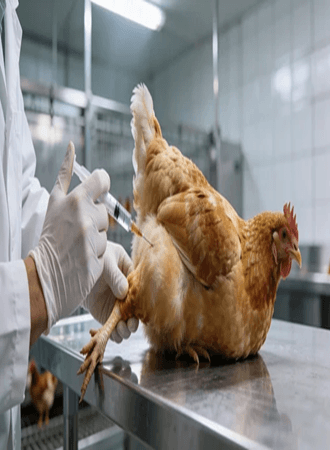
Vaccination is synonymous to inoculation and immunization. Vaccines stimulate the body to produce its own defence against infection. The vaccine mimics what happens when an animal has been exposed to disease, the body and its defensive system will then identify the invading organisms.
So when the animal comes into contact with a disease, its body is ready to fight. This protects the individual animal and because this animal will not develop the disease and will not become infective, it will also help protect the animal population in the farm from the disease. To be immunized against a disease means not to be prone or vulnerable to the disease.
Methods of Farm Animal Vaccination
The following methods are used to apply vaccination to farm animals:
- Injection
- Oral application
- Placental transfer from dam to offspring for mammals
- Feed and drinking water
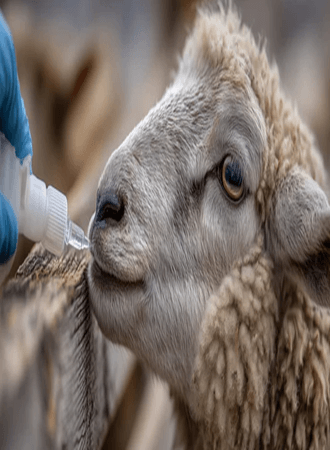
Usually, viral diseases are difficult to cure, even some bacterial disease are very acute and therefore vaccination is the best method of prevention.
Some disease that can be prevented by vaccination:
- Newcastle disease in poultry (virus)
- Avian influenza in poultry (virus)
- Fowl pox disease in poultry (virus)
- Tetanus disease in all farm animals (bacterium)
- Pasteurellosis in sheep, rabbits, cattle and poultry (bacterium)
- Leptospirosis (bacterium) that causes abortion in ruminants
- Rabies (virus)
- Peste des Petites Ruminants (PPR)—(virus)
Vaccination is beneficial as it prevents economic loss in livestock farms.
Culling
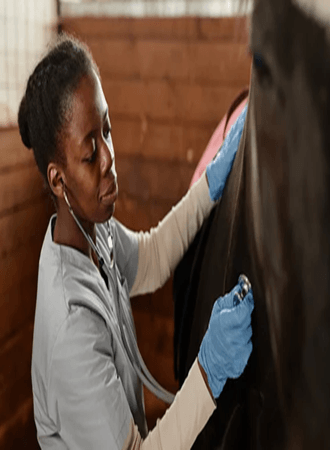
This is the process of removing sick or unproductive, aggressive or cannibalistic or runts or old animals from the stock
Benefits Derived From Culling
- The incidence and spread of animal disease is minimized
- The incidence and spread of animal pests is minimized
- The extra cost of feeding unproductive animals is eliminated
- A larger and enough floor space is available for the rest of the animals
- Culling allows for effective used of limited resources
- Culled animals when sold provide funds to cater for unproductive sock or to restock
- Culling will prevent starvation especially when there are surplus animals than the farmer can manage
Culling should be a continuous exercise and knowledge of identifying non-productive animals is required. A proper record keeping of the individual farm animals will assist in culling from time to time.


Share This Article: