How Rural Farm Sheds Improve Storage and Productivity
October 15, 2026, 10:21 am
Running a farm involves more than growing crops or raising livestock.
Farmers also need to maintain machinery, protect supplies, manage animals, and keep daily operations moving despite changing weather conditions. Poorly organised storage and inadequate workspaces can make these responsibilities more time-consuming and expensive.
How Rural Farm Sheds Improve Storage and Productivity
A well-designed farm shed helps address these challenges by providing dedicated spaces for equipment, supplies, and essential farm activities. Its value comes not simply from having additional shelter, but from making everyday tasks easier to manage.
Protecting Machinery and Reducing Maintenance Delays
Farm machinery is regularly exposed to rain, sunlight, dust, and moisture. Over time, these conditions can contribute to rust, damaged components, and deterioration of exposed parts. Equipment stored outdoors may also require additional cleaning and inspection before use.
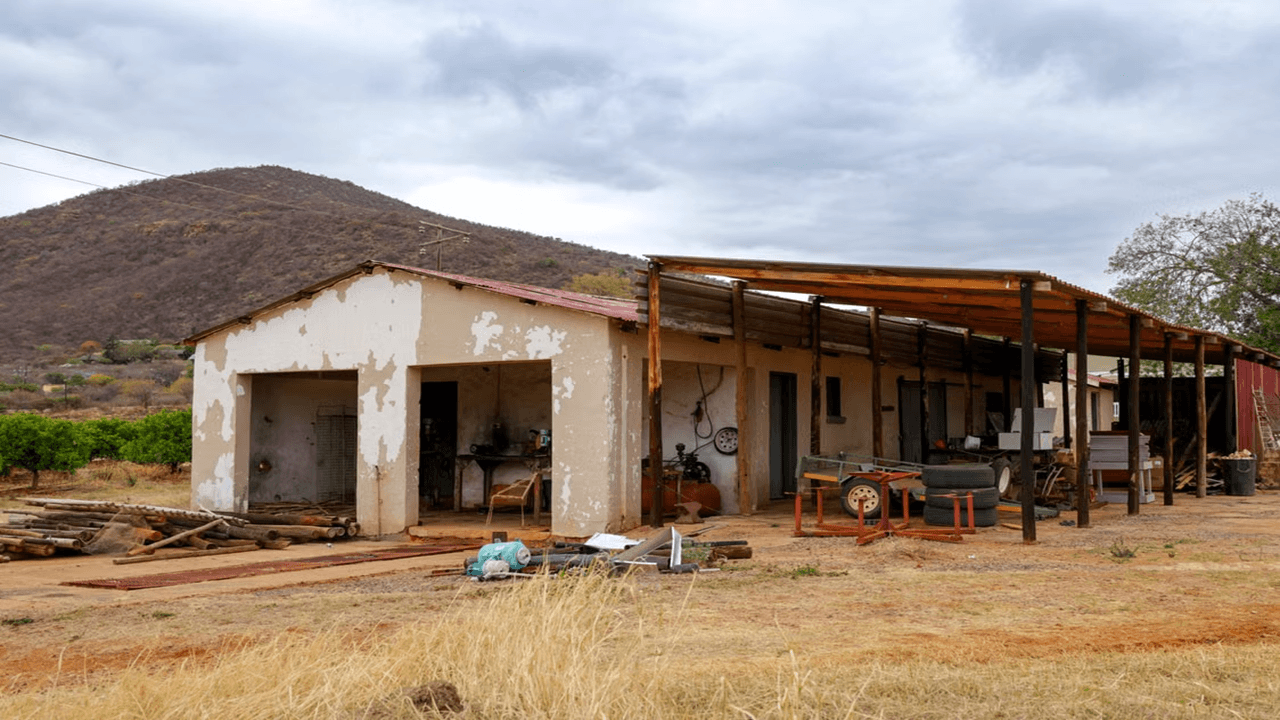
Purpose-built rural farm sheds provide covered storage for tractors, harvesters, trailers, and other agricultural equipment. Keeping machinery under cover helps reduce unnecessary weather exposure, while designated parking spaces make equipment easier to locate and access.
A properly organised machinery shed can also:
- Reduce preparation time: Equipment stored in accessible bays can be retrieved without moving several other machines first.
- Simplify routine maintenance: A dedicated workbench allows workers to inspect components, lubricate parts, and handle minor repairs in a sheltered area.
- Prevent misplaced supplies: Shelving and labelled storage keep spare parts, filters, and frequently used tools together.
These improvements are particularly useful during planting and harvesting seasons, when delays in preparing equipment can affect scheduled work.
Reducing Feed Losses and Improving Storage Organisation
Hay, animal feed, and harvested produce can lose quality when exposed to moisture, pests, or unsuitable storage conditions. Spoiled supplies may need to be discarded, increasing replacement costs and creating unnecessary waste.
A farm shed with suitable ventilation, drainage, and moisture protection can provide a more controlled storage environment. Keeping hay and bagged feed off damp ground, for example, helps reduce contact with surface moisture.
Thoughtful storage arrangements offer several practical benefits:
- Less handling time: Wide entrances and clear aisles make loading and unloading hay bales or feed bags easier.
- Better stock rotation: Separate, labelled storage areas help workers identify older supplies and use them before newer deliveries.
- Easier inventory checks: Organised stacks make it simpler to identify low stock and plan replenishment.
- Reduced contamination risks: Separate storage zones help prevent feed from coming into contact with machinery fluids, chemicals, or other unsuitable materials.
Different commodities still require different conditions. Bulk grain may need specialised storage systems, while hay requires adequate ventilation and protection from moisture.
Providing Practical Shelter for Livestock
Livestock can experience stress when exposed to excessive heat, cold, wind, or heavy rainfall. Suitable shelter helps reduce exposure during difficult weather and provides designated areas for essential animal care.
Farm sheds designed for livestock use can support activities such as feeding, veterinary inspections, and temporary holding. Their usefulness depends on appropriate ventilation, drainage, space, and animal-safe construction.
For example, a covered holding area allows farmers to examine an injured animal without working in direct sunlight or rain. Dedicated calving or lambing spaces can also provide shelter during vulnerable periods, provided they are properly maintained and suited to the animals' needs.
Covered feeding areas offer another practical advantage. Keeping feed and feeding equipment protected from rainfall can reduce waste and make routine feeding easier during wet weather.
However, a standard storage shed should not automatically be treated as suitable livestock accommodation. Animal welfare needs must guide the design.
Keeping Essential Tasks Moving During Poor Weather
Unfavourable weather can interrupt maintenance, equipment preparation, and other routine farm activities. Although outdoor fieldwork may have to stop, some tasks can continue when suitable covered facilities are available.
A dedicated workspace inside a farm shed allows workers to complete jobs that do not require outdoor access.
For example:
- Before planting: Workers can inspect seeders, organise tools, and prepare machinery while waiting for suitable field conditions.
- During rainy periods: Routine equipment servicing and repairs can continue under cover when conditions are safe.
- Before harvesting: Spare parts, harvesting supplies, and maintenance equipment can be prepared and arranged for easier access.
- After daily operations: Tools and equipment can be cleaned, inspected, and returned to designated storage areas.
Lighting and accessible power outlets can further support maintenance work during early mornings or evenings.
This flexibility does not eliminate weather-related delays, but it helps farmers use otherwise unproductive periods to complete important preparation and maintenance tasks.
Choosing a Shed That Supports Everyday Farm Work
The most useful shed is one designed around the property's actual operations. A structure intended for machinery storage will have different requirements from one used for livestock handling or feed supplies.
Before choosing a design, farmers should consider the equipment, materials, and activities the shed must accommodate.
Access and clearance: Door openings should accommodate the tallest and widest machinery, with sufficient space for safe movement and parking.
Storage layout: Separate areas for tools, feed, machinery, and supplies can reduce clutter and unnecessary handling. Frequently used items should remain easily accessible.
Ventilation and drainage: Appropriate airflow and site drainage help manage moisture and maintain suitable conditions for stored materials and permitted activities.
Future requirements: Allowing room for additional machinery, increased feed storage, or changing farm operations can reduce the need for major modifications later.
Site conditions, structural requirements, and relevant building regulations should also be considered before construction.
Rather than choosing a shed based on size alone, farmers benefit from planning how people, vehicles, animals, and supplies will move through the space.
Making Farm Infrastructure Work Harder
A farm shed delivers the greatest value when it solves practical problems. Covered machinery storage can reduce weather exposure and simplify maintenance. Organised feed areas can limit avoidable waste and make stock easier to manage. Suitable livestock shelters and workspaces can support animal care and help essential tasks continue during challenging weather.
The benefits depend on selecting the right design and using the space effectively. By matching shed features to daily operations, farmers can protect valuable assets, reduce unnecessary handling, and create a more organised and productive working environment.




Share This Article: