How Farmers Reduced Pythium Damage in Cucumber Crops with Trichoderma-Based Treatments
October 28, 2026, 9:48 am
Soil-borne diseases remain one of the biggest threats to modern vegetable production, especially for cucumber growers dealing with aggressive pathogens like Pythium root rot.
Even well-managed farms often struggle because once Pythium infects the root zone, cucumber seedlings deteriorate quickly. Many growers rely on chemical fungicides, but repeated use offers inconsistent results and can disrupt the soil microbiome.
This case study explains how one farm overcame chronic root disease by introducing Trichoderma-based treatments into their root management strategy. Their experience shows how biological fungicides can restore root health, suppress soil pathogens, and improve long-term crop performance.
The Farm’s Challenge: Rising Pythium Pressure and Declining Root Health
For three consecutive seasons, the farm saw increasing losses from Pythium root rot, especially during cooler periods when the soil stayed wet. Seedlings transplanted into infected beds developed root browning, water-soaked lesions, and early wilt. Entire sections of the field collapsed within days.
Despite using chemical fungicides labeled for soil-borne diseases, results remained unpredictable. The farm wanted a solution that could protect roots more consistently and work directly in the soil where pathogens thrive.
Their agronomist recommended shifting to a biological approach centered on trichoderma harzianum treatment, a beneficial fungus known for strong root-zone protection, pathogen suppression, and long-term soil recovery.
The Treatment Plan
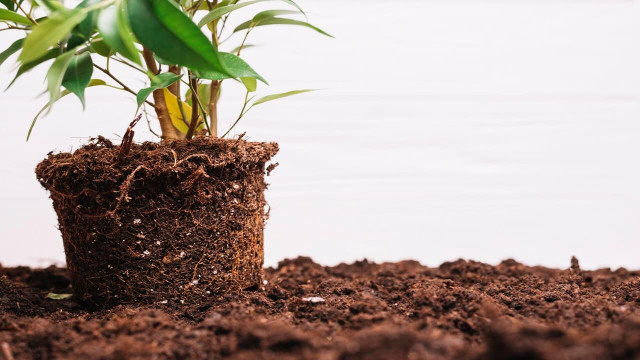
The agronomist designed a program that supported cucumber roots from the earliest stage. During transplanting, the farm applied a root drench containing trichoderma biofungicide named HarzShield, allowing the beneficial fungi to colonize the root zone before Pythium could invade. A follow-up application was delivered through drip irrigation to reinforce microbial activity across high-risk beds.
Moisture management, organic matter improvement, and aeration were prioritized to ensure that Trichoderma could establish a stable population. The farm also scaled back chemical fungicides that might interfere with microbial colonization, giving the biological fungicide enough space to function effectively.
This method aligned well with integrated disease management strategies for cucumber production, especially in soils with a long history of pathogen pressure.
A Noticeable Turning Point
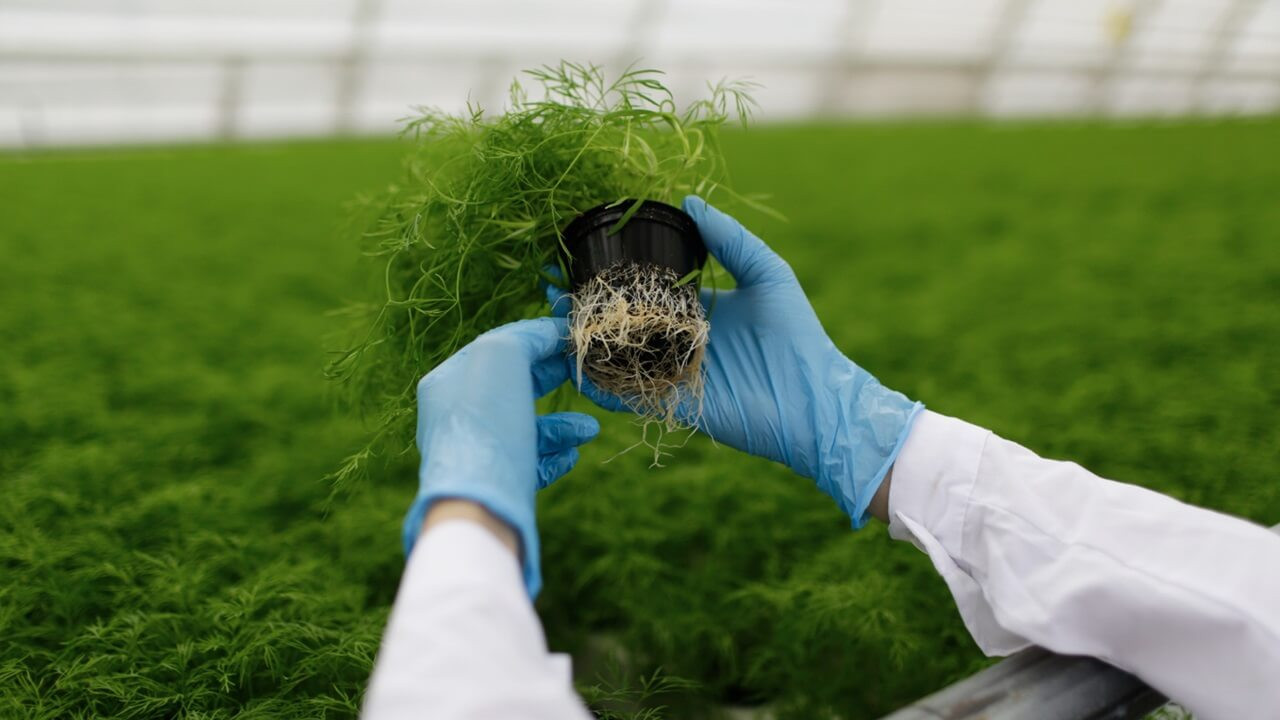
Signs of improvement appeared within three weeks. Newly treated cucumber seedlings developed cleaner, whiter root systems with stronger branching. These roots held better structure in beds that previously showed heavy root decay.
The typical early-season wilt that appeared every year was significantly reduced. Even during a cold, humid spell—conditions that usually triggered a surge in Pythium infections—the treated plants maintained their vigor. This shift marked the first clear indication that the Trichoderma-based treatment was reshaping the crop’s root health.
By midseason, plant collapse had dropped sharply, and the cucumber canopy became more uniform. The increase in marketable yield surpassed expectations. The farm decided to integrate Trichoderma permanently into its soil-borne disease management program.
Why Trichoderma Works: The Science in Simple Terms
The success of trichoderma harzianum lies in how effectively it occupies the root zone. Once applied, this beneficial fungus spreads around the roots, forming a protective barrier that limits pathogen access. As it grows, it competes naturally with harmful fungi like Pythium and releases compounds that disrupt pathogen development.
Trichoderma also stimulates the plant’s internal defense responses. When cucumber roots detect these beneficial microbes, they activate natural protective pathways, strengthening root tissues and improving resilience under stress.
This combination of active biological competition, microbial colonization, and plant defense stimulation makes Trichoderma one of the strongest biological control agents for soil-borne diseases. It is frequently used by growers seeking a sustainable alternative to chemical fungicides—and in many cases, it outperforms the best fungicide for fusarium wilt when long-term soil health is a priority.
Additional Benefits the Farm Noted
As applications continued, the farm observed broader improvements beyond Pythium suppression. Soil structure showed better aeration and reduced compaction, creating an environment more favorable to beneficial microorganisms. Plant growth became more balanced and consistent across the field.
Because root vigor improved, the crop handled fluctuations in irrigation more comfortably, reducing stress-related issues. High-quality yields increased, with cucumbers showing better firmness and uniformity.
The farm also reduced its use of chemical fungicides, lowering costs and achieving a more sustainable production system that better aligned with modern agribusiness practices.
Practical Recommendations for Other Cucumber Growers
Growers facing recurring Pythium infections can benefit by integrating biological fungicides early in the crop cycle. Applying trichoderma harzianum during transplanting and reinforcing colonization through drip irrigation builds strong protection before pathogens can gain ground.
Improving drainage, soil aeration, and organic matter will enhance the performance of biological fungicides and promote a healthier soil microbiome. Consistency is essential, as a stable population of beneficial fungi provides long-term disease suppression.
Treating the root zone as a living system rather than simply a substrate allows cucumber crops to resist both Pythium and other soil-borne pathogens more effectively. Farms adopting this strategy often experience fewer losses and more resilient production cycles.




Share This Article: