What Causes Pepper Fruits to Drop Early? Pepper Weevils Explained
May 11, 2026, 7:23 am
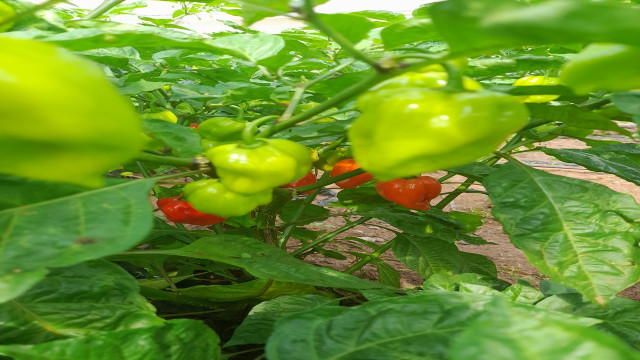
There is no aggravation that could befall a pepper-grower like to see his beautiful plants lying there all of a sudden going to waste, by dropping the blooms and young fruit. The crop appears to be good one day and the next day, the crop is dying.
The melt-away peppers are the coming ones, they are dropping out before they can become full-fledged with bare stems and potential behind their backs. It is not a mere casualty it is usually an indication of a greater pest issue that can silently eradicate harvests once unattended. Variously, the unseen offender of the prematurely falling fruit is a villain known as pepper weevil which has become a constant challenge to control in the new agricultural networks.
The Specter of a Scoundrel in Your Harvest
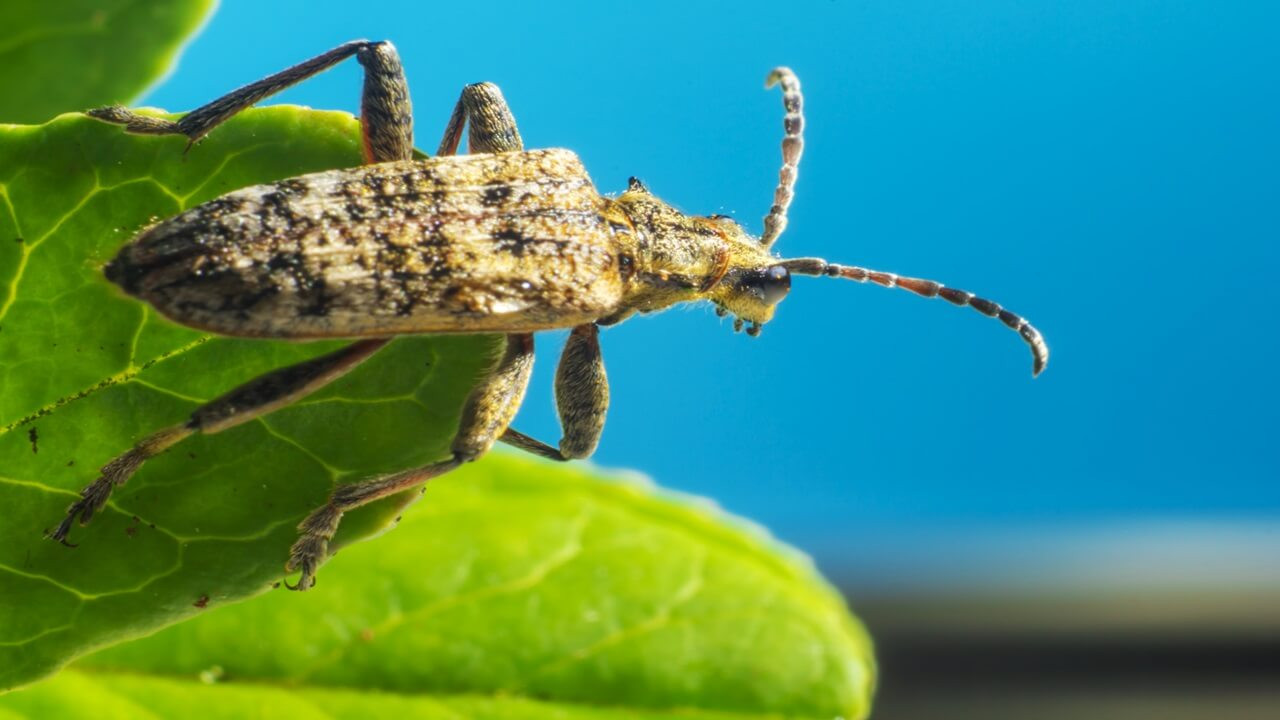
Pepper weevils are tiny beetles, however, their effect is anything but that. These pests also deposit their eggs within flower buds and young fruits and the larvae develop unseen. They feed in them, and as a result, they destroy the internal tissues of the fruit making it weak and thus dropping untimely.
The issue with pepper weevils is that they are so secretive. In most cases, the disease has made good inroads by the time the growers realize that their fruits are falling. This is the reason why early detection and its active management is of necessity for pepeer weevils control.
Why This Happens To Fruits At A Young Age?
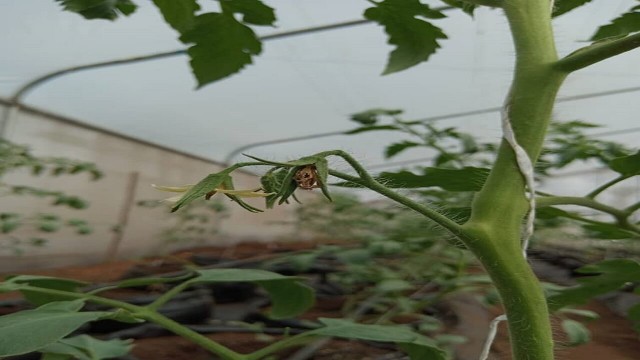
Pepper weevil larvae causes discontinuity in natural growth when it is ingesting in developing fruits. This causes the plant to react and abort the deformed fruit which forms prematurely. It is not by chance that this happens, but it is a defence mechanism caused by internal damage.
This is usually confused with nutrient deficiency, weather stress or irrigation problems by the farmers. Nevertheless, in cases whereby the fruit drop is regular and has the presence of tiny holes of exit or interior damages, the root cause is normally pepper weevils.
The uncontrolled cases will result in massive economic losses since a significant part of the crop might not even be able to mature.
Traditional Control Challenges
Growers have been dependent on chemical insecticides as a way of controlling pepper weevils over the years. There have been incredible adaptability of these pests, however. Their lifecycle which is concealed in the plant tissues makes them hard to reach using the surface sprays.
What is more, rising fears of chemical residues, environmental and resistance issues are forcing farmers to seek more viable alternatives. Here biological solutions are taking its toll.
Metarhizium Anisopliae Biocontrol: Solution By Nature
Metarhizium anisopliae biocontrol is one of the most encouraging developments in the pest control industry; it is an organismically occurring entomopathogenic-fungus, which has a major variety of insect pests which includes the weevils.
Metarhizium anisopliae is a biological insecticide unlike the traditional insecticides. As soon as it touches an insect, it gets attached on its outer surface, enters the cuticle and develops within the body of the pest. The result is that the insect ends up dying as well as making it unable to procreate.
The fact that this approach operates within the ecosystem, as opposed to interfering with it, is the key strength of the method. It works against harmful pests besides conserving beneficial organisms hence is the best solution to sustainable agriculture practices.
Met Zone: A Biological Solution to Growers in the 21st century
In order to realize this science into action, Metzone has been developed as a good biological product to manage soils and insect pests such as some ones that lead to pepper weevil infestations.
Met Zone is developed to control socio-economic problems of the metarhizium anisopliae by adding the spores of beneficial fungi in the soil and farm ecosystem. After application, the fungus actively pursues insects whereby the fungus infects, and in the long run, overwhelms the pests.
Metzone will be a strategic option to growers that have been suffering early fruit drop which is attributed to the infestation of pests. It eliminates the cause of the problem, which is the pest pressure prior to the occurrence of damaging levels of pest pressure.
It is in the granular formulation, which makes it easy to use in the field, and through this, the active ingredient is transferred to areas most active by the pests.
The Changing Biological Control Game
Biological pest management is not merely the current trend that has emerged, but a reaction to the very difficulty of farming. There are some advantages of the products that are based on metarhizium anisopliae biocontrol.
They decrease dependence on chemical inputs, minimize the probability of development of the resistances, and maintain the health of soil and crops to the long term. More importantly, they offer proactive method of the control of pepeer weevils, where pest is attacked at an early stage.
It is through the combination of biological solutions and good agronomic practices which includes field sanitation, crop monitoring and timely intervention of the same that growers will be able to significantly reduce the occurrence of fruit drop.
Pest Management Strategy
Production of pepper today cannot be successful without more than reactive treatments. It requires a balanced approach, which incorporates monitoring, prevention, and sustainable methodologies of control.
They are also moving towards practices of integrated pest management that incorporate the use of biological pest control tools such as Metzone alongside the cultural practices in the farms which are being utilized by farmers. This mixture assists in keeping the level of pests below economic levels adversely and preserving the quality of crops.
It is important to study the behaviour of pepper weevils and intervene at the earliest. After the infestation has been rampant recovery becomes even harder.
Save Your Own Dividends and Show a Future
Late fruit drop is a sign in nurses and when it happens with peppers it is not a sign at all but a warning. Underestimating it may result in the large losses of yields, as well as pest problems on a long-term basis.
The solution to this problem is to adopt solutions like the metarhizium anisopliae biocontrol and subsequently adopt products like Metzone, which help growers to control the situation in a long-term and viable manner.
The future of agriculture consists of doing nothing to oppose it. And in dealing with pepper weevils, a wiser and much safer and heartyer way lays before it the biological control.
Since not all fruits that are saved are the harvest- alone, it is the income, longevity, and serenity to the producer.

Share This Article: