Habanero Pepper Farming Guidelines
May 8, 2026, 2:19 pm
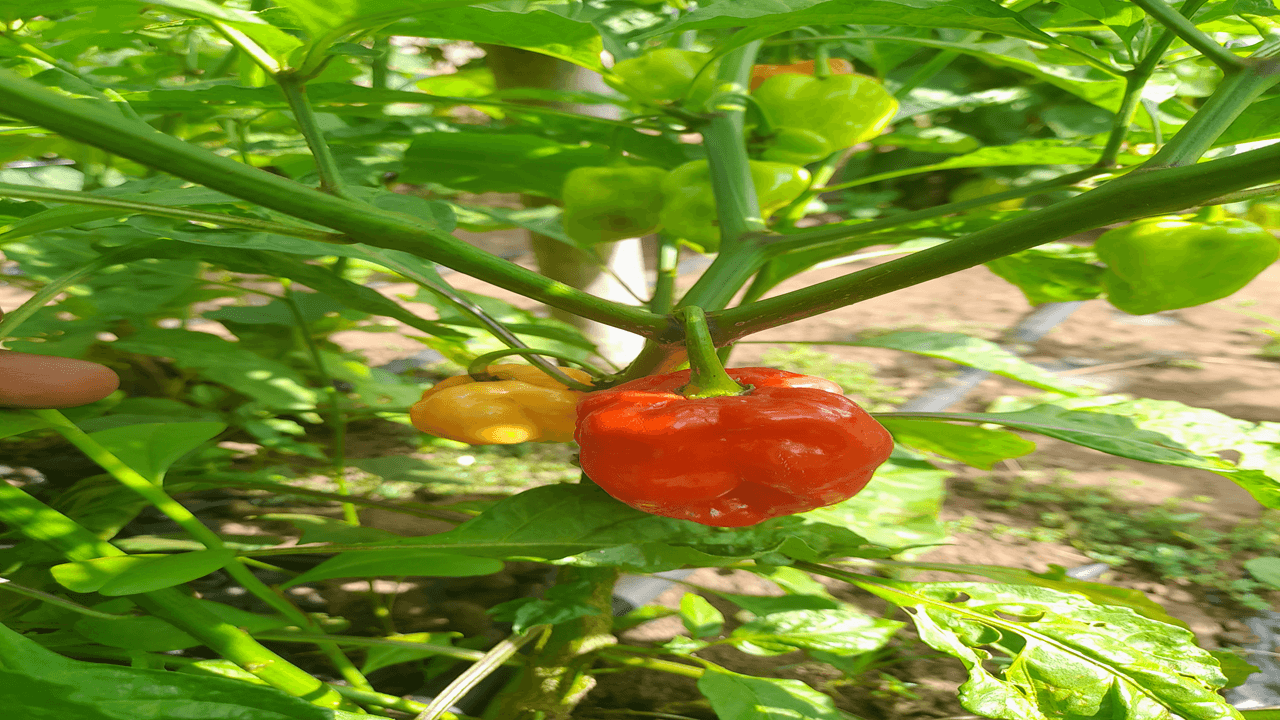
Habanero pepper is a spicy variety of the Capsicum chinense chili pepper.
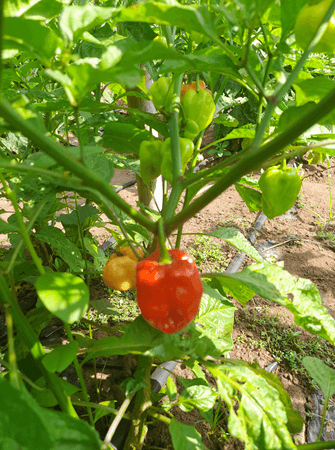
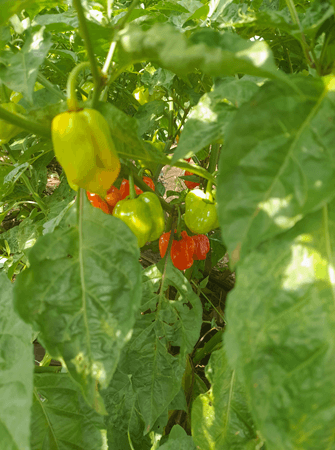
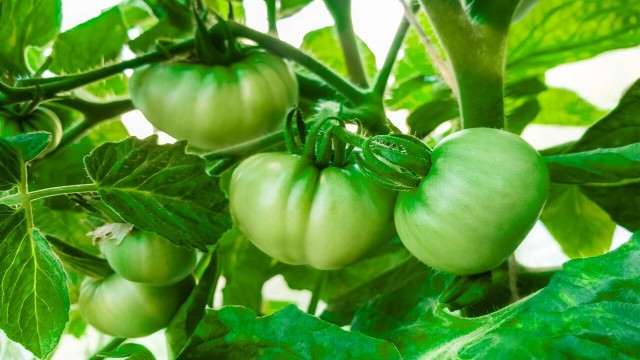
Habaneros are green when they are unripe and change color as they ripen. Although orange and red are the most popular color variations, the fruit can also be white, brown, yellow, green, or purple.
A ripe habanero is usually between 2 and 6 centimeters long. Habanero peppers have a Scoville rating of 100,000–350,000, making them extremely hot. The habanero is frequently used in hot sauces and other spicy dishes because of its flavor, heat, and aroma.
Habanero Pepper Nutritional Benefits
Habanero peppers provide far more vitamin C than many citrus fruits. Vitamin C is essential for your body's capacity to repair wounds and keep your immune system working properly. It is also an antioxidant that aids in the removal of free radicals from your body, which can lead to heart disease and some types of cancer. Habaneros also contain vitamin A, which the body uses to improve night vision and maintain skin health.
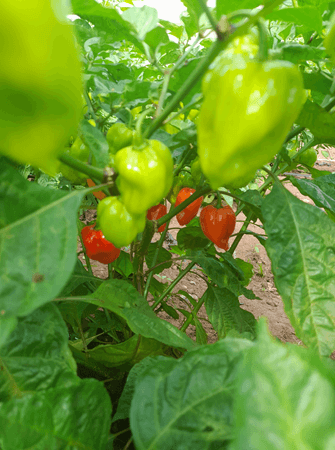
While habaneros are not the hottest peppers in the world, they do contain a high concentration of capsaicin. The substance that gives hot peppers their heat is called capsaicin, which is a phytonutrient. There is evidence that capsaicin can aid in weight loss, diabetic management, cancer prevention, and heart disease prevention.
Habanero Pepper Farming Guidelines
To successfully grow habanero pepper on your farm, below are some important guidelines you must follow:
Habanero Pepper Transplant Production
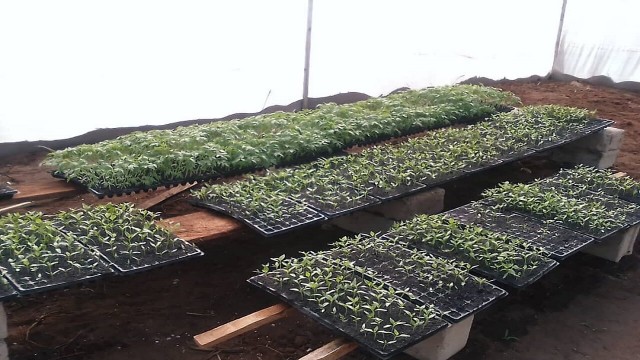
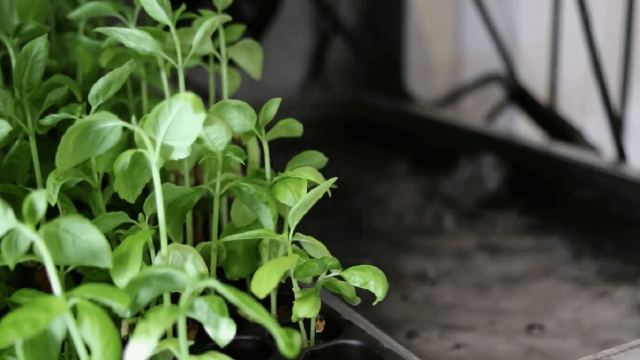
For best results, it is advisable to raise your habanero pepper seeds in nursery trays using appropriate grow media for four to five weeks. Ensure to water them regularly during this period while applying the appropriate fertilizers along the way.
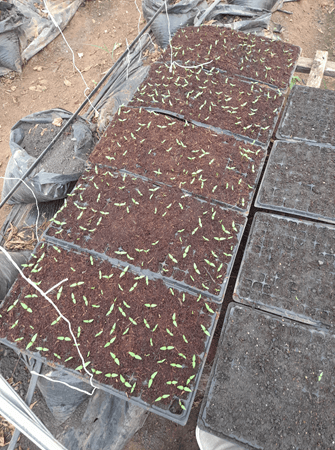
0.2kg of seed are necessary to produce 10,000 plants per acre. Optimum temperature for germination is 29°C (85°F).
Planting and Spacing
Habanero pepper is a warm-season crop that grows best at temperatures between 21-24°C (70-75°F). Habanero peppers are sensitive to temperature extremes. Poor fruit set and blossom drop can be expected when night temperatures drop below 16°C (60°F) or day temperatures rise above 29°C (85°F). Habanero peppers are also sensitive to pests if the proper preventive and corrective measures aren't put in place.
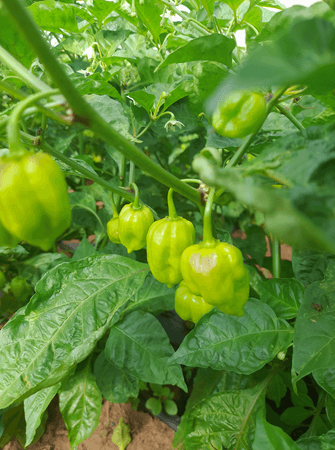
Space rows 1.2 to 1.5 meters apart. Set plants 0.3 to 0.5 meters apart in single or double rows. Select fields with good drainage. Plant on raised, beds to aid in disease management. To minimize sunscald when growing peppers on sandy soils and on plastic mulch without drip irrigation, plant varieties that have excellent fruit cover from foliage.
Habanero Pepper Drip Fertilization
Before mulching, adjust soil pH to approximately 6.5 and then apply enough fertilizer to supply 25-50% of total crop N and K2O requirements and thoroughly incorporate into the soil. Apply all P2O5 pre-plant and incorporate into the soil. Apply the balance of N and K2O through the drip irrigation system throughout the season. On soils testing low and low to medium in boron, also include 0.25 kg/A of actual boron in each soluble fertilizer application.
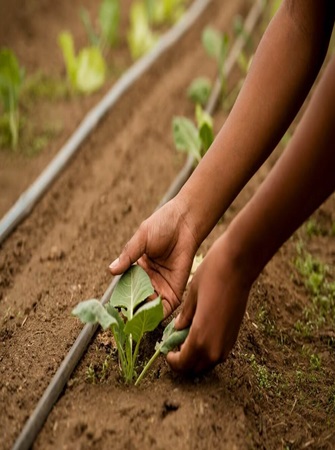
The first soluble fertilizer application should be applied through the drip irrigation system within 1 week after field transplanting peppers. The same rate of soluble fertilizer should be applied about every 3 weeks during the growing season for a total of 6 applications through the drip irrigation system. The soluble fertilizer may be delivered in 12 equally timed applications provided the soluble nutrients are applied at half the above suggested rates per application so that the total seasonal rates of N, P2O5, and K2O and B are the same.
The number of fertilizer applications can be reduced for late plantings and in areas where the growing season is short. These rates were developed on sandy loam soils with a cation exchange capacity (CEC) of 3-5. If your soil has a lower CEC, you may wish to increase the total seasonal soluble fertilizer nutrient rates by at least one-third. On very coarse, very low CEC soils, it may be profitable to increase the total seasonal soluble fertilizer nutrient rates two-thirds over the first suggestion. On the heavier textured soils with higher CEC, you may wish to decrease the total seasonal soluble fertilizer nutrients by one-half.
Mulching
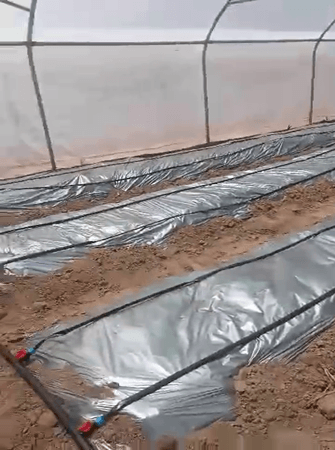
The use of black plastic mulch with drip irrigation and double rows can greatly increase yields and percentage of large fruit. Use opaque, white plastic when planting in the summer for fall harvest. Plant double rows 0.3 to 0.5 meters apart with plants staggered 0.3 to 0.5 meters apart in each of the double rows. Use 1.5 meters wide plastic for double rows and 1.2 meters wide plastic for single row peppers. Do not use plastic mulch without drip irrigation on coarse or sandy soils
Habanero Pepper Staking
Staking habanero peppers helps protect fruit from sunburn by holding the plants in an upright position. Use 0.6 to 0.7 meters long by 0.03 x 0.4 meters Honduran pine stakes (half-length tomato stakes). Drive stakes 0.15 to 0.2 meters into the soil every 1.2 to 1.5 meters in the plant row. Tie plants with polyethylene string that is used for staked tomatoes. Tie the first string 0.18 to 0.22 meters above the soil when plants are 0.25 to 0.3 meters tall or at first fruit set. For single row peppers, run the string on one side of the row, looping and tightening string around each stake for about 30 meters
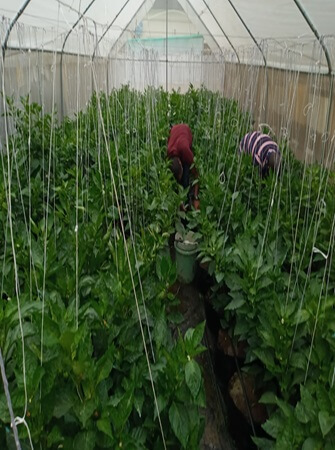
Then run the string back on the opposite side of the plant row using the same procedure. Allow 0.9 to 1.2 meters untied breaks every 30 meters to make harvesting easier. For double rows of peppers, use one row of stakes in each row of habanero peppers. Tie each row separately as described above for single row peppers.
A second tie should be made at 0.15 to 0.2 meters above the first string and before habanero peppers enlarge and fall over the first string. Use the same procedure described above. An alternate method for applying the second string in single and double rows is to run a single string in the center of the plant canopy of each row, allowing the branches to grow up through the string and be caught and supported by the string.
Consider the cost of staking versus reduction in losses and increases in quality and price received. The higher price offered for red peppers increases the potential for profit when staking for the red compared to the green market.
Habanero Pepper Physiological Disorders
Blossom End Rot
This physiological disorder is caused by reduced Calcium (Ca) uptake and movement into fruit at low soil moisture. To control blossom end rot, maintain proper soil Ca, nutrient balance, and uniform, favorable soil moisture. This is especially important when cropping in raised beds for Phytophthora control, because soil in raised beds will dry more quickly than in flat bed culture.
Sunscald
To reduce sunscald, select varieties with good foliage cover. Maintain vigorous vegetative growth by following the recommended fertilizer (especially N) program and timely irrigation. Harvest carefully to avoid damaging stems, branches and foliage
Habanero Pepper Harvest and Post-Harvest Considerations
Harvest green fruit once they have reached full size and the walls are firm. Harvest every 7 to 14 days to achieve maximum yields. Harvest red, yellow, or orange habanero peppers after they turn color. Colored pepper production requires 24 weeks of additional growing time. Increased attention to insects and diseases is required to produce mature, colored fruit.
Harvest habanero peppers after they reach full size and the walls are firm for green fruit and after they have turned color for colored fruit.
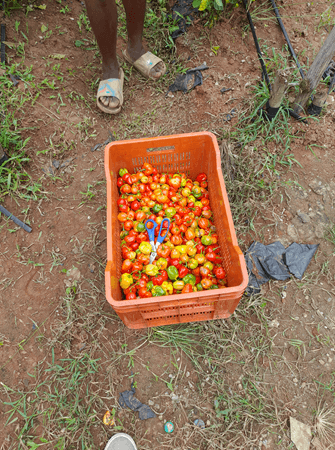
Peppers are picked by hand using a upward snap and pull motion with part of the stem (peduncle) and fruit cap (calyx) adhering to the fruit; branches of the plant are usually brittle and can break easily if pulled too hard. Habanero peppers generally detach from the plant much more easily than sweet peppers and plants are less brittle.
Keep harvested habanero peppers out of direct sunlight to avoid water loss, sunscald, and heat damage. Peppers can be brushed or washed after harvest. If habanero peppers are washed in a dump tank, wash water temperature should be up to -12°C warmer than the peppers. Cold water creates a partial vacuum that draws some water (and potentially bacteria) into the fruit, leading to premature breakdown. Chlorinated water or another labeled surface disinfectant should be used in the wash water. Habanero peppers can be cooled with room cooling, forced air cooling, forced air with evaporative cooling, or vacuum cooling.
Optimal conditions for storing peppers are 7-10°C (45-50°F) with relative humidity of 85-90%. Chilling injury occurs at temperatures below 7°C, and damage may occur even below 10°C depending on variety and other factors. Bell peppers may be stored 2-3 weeks if handled properly. Dried habanero peppers are stored at 0-3°C (32-38°F).
To see how all these processes are deployed to produce habanero pepper, watch our Habanero Pepper Farming Guidelines tutorial below:

Share This Article: